
 admin
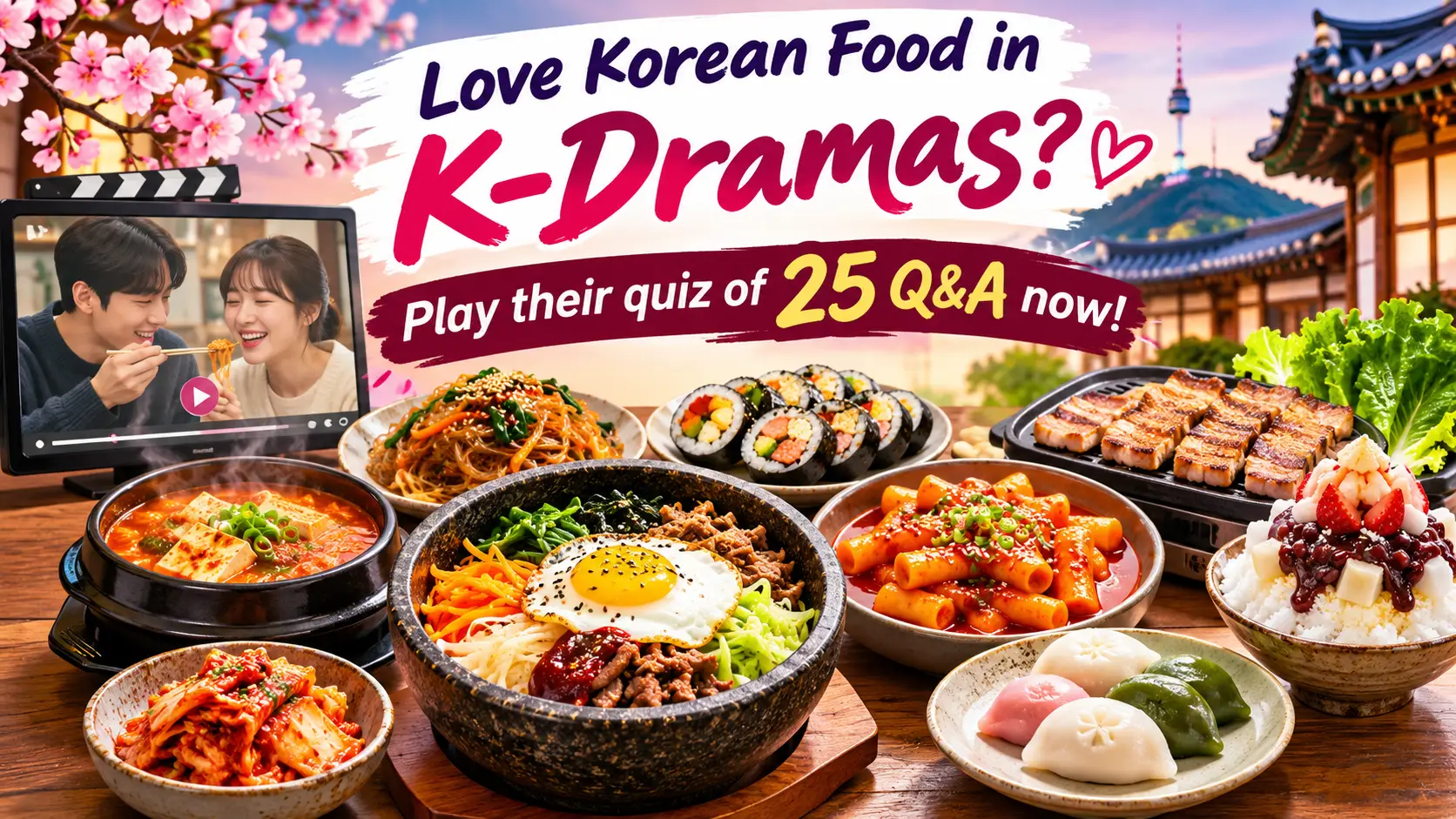
Korean food is a lot more than a recipe. It’s about family traditions, seasonal ingredients, regional identities, and the pleasure of sharing a meal. A typical Korean table will have rice, soup, grilled dishes, vegetables, and a couple of side dishes. A meal is not one big plate; it is a combination of flavours and textures all at once. This balance is one of the reasons why Korean food has caught the eye of food lovers around the world.
One of the most fascinating aspects of Korean cooking is the use of fermented ingredients. Kimchi is usually made from napa cabbage or radish, which is seasoned and fermented to produce its signature sour taste. Fermented soybean paste doenjang and fermented red chilli paste gochujang give soups, marinades, and sauces depth. These ingredients are not just common cooking ingredients; they are food traditions passed down through the generations.
Korean Foods You Should Know
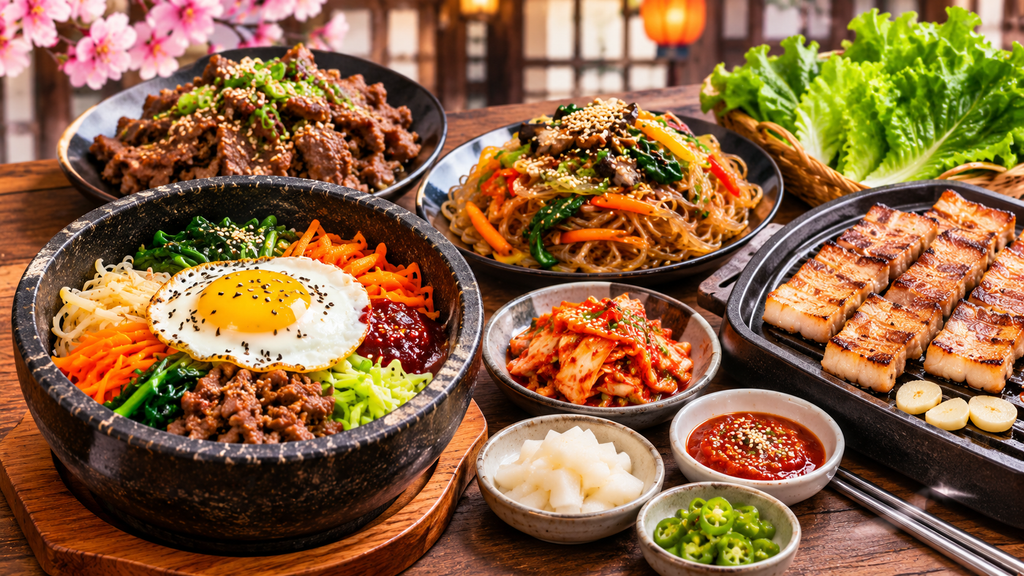
Rice is the mainstay of most Korean meals, but there’s more to the cuisine than that. Bibimbap is a rice dish with vegetables, protein, an egg, seasoned sauce, and lots of colour. Bulgogi is paper-thin slices of marinated beef cooked until fragrant and tender.
Moreover, Japchae is a dish with glass noodles and vegetables, often with meat, and samgyeopsal is a popular pork-belly dish that is grilled and served often with lettuce leaves and dipping sauces.
For anyone wanting to explore new flavours, Korean cooking is a thrilling adventure, each dish having its own character.
Korean Street Food – Vibrant, Quick And Delicious
The daily food culture of South Korea includes important street food. Pans sizzle in the traditional markets and busy food streets; the tantalising aromas waft, and the snacks are freshly made in front of you.
Tteokbokki are chewy rice cakes in a spicy-sweet sauce, a hit with visitors too, and a local favourite. Hotteok is a fried, pan-fried sweet pancake, which may contain brown sugar, cinnamon and nuts.
However, Eomuk is a Korean fish cake that is often served on a stick in a hot broth. Korean-style corn dogs have also gained international popularity thanks to their creative toppings and fillings.
These snacks are a great example of how Korean food can be comforting, exciting, and playful all at once. Soups, Stews, and Noodles to warm your soul.
Korean cuisine has a lot of comfort foods, too. Kimchi jjigae is a stew of kimchi and other ingredients like tofu or pork simmering away. Sundubu jjigae is a soft tofu stew usually served bubbling hot with seafood, meat, or vegetables.
Samgyetang is a Korean chicken soup traditionally containing rice, garlic, ginseng, and jujubes. If you love noodles, you might enjoy naengmyeon, cold noodles in a cool broth, or jajangmyeon, noodles topped with a thick black-bean sauce.
Korean food is very seasonal. Cold noodles are especially refreshing in the summer months, and hot soups and stews are welcome in the colder months.
Korean Traditional Drinks and Sweets
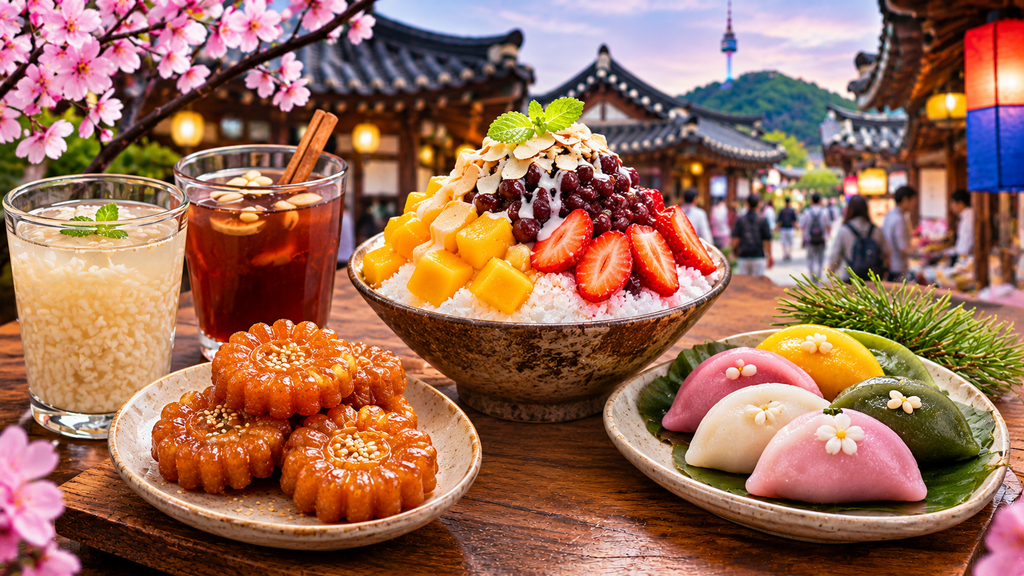
The country’s food culture, including Korean desserts, is also interesting. Bingsu is a shaved ice dessert, commonly served with sweetened red beans, fruit, condensed milk, or matcha.
Yakgwa is a traditional honey cookie, rich and a little spicy. Songpyeon is a traditional rice cake for Chuseok. They are small half-moon-shaped cakes filled with sesame seeds or sweet beans.
Traditional drinks such as sikhye, a sweet rice drink, and sujeonggwa, a cinnamon and ginger drink, are also popular and are usually served cold.
Why is Korean Food So Popular Worldwide?
Korean food is popular in many countries because it is diverse, has strong flavours, and is fun to eat. The popularity of Korean entertainment, travel content, Korean restaurants, and international food festivals has encouraged many to try foods they may not have tried before.
The growing popularity of it also provides a variety of options. Some people love spicy street food, some love grilled dishes, and many love traditional desserts and comforting soups. Something is interesting for almost any food lover.
In the end, Korean food is a way to experience a culture through its ingredients, cooking customs, and communal dining. Each spicy rice cake, each delicate rice dessert, each fiery barbecue has a story to tell.
Test Your Korean Food Knowledge With Our Quiz
How good are you at telling Korean food by sight? You probably know the popular favourites like kimchi, bibimbap and tteokbokki, but what about traditional desserts, regional specialities and lesser-known street snacks?
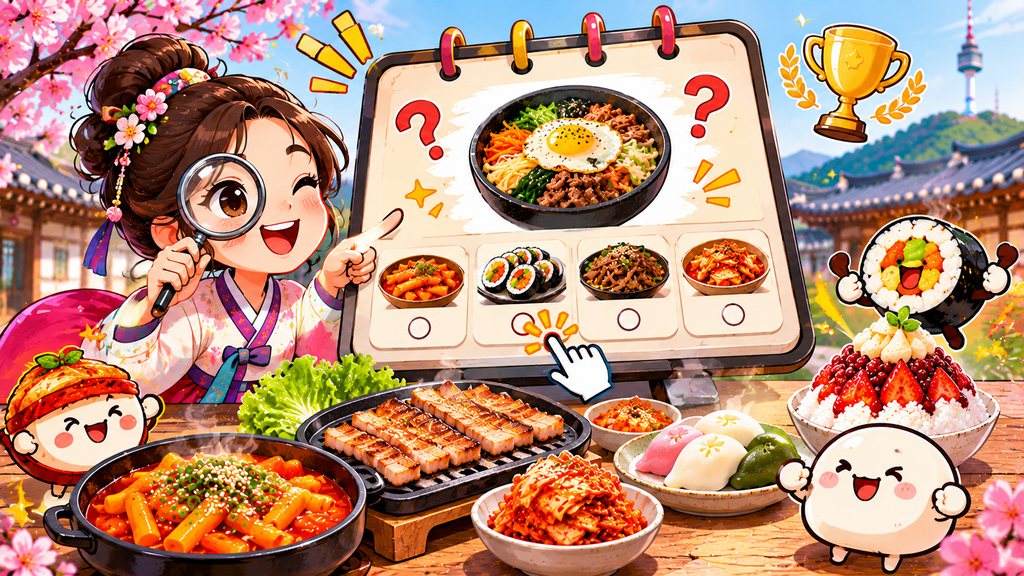
Take our interactive Korean Food Quiz. Test yourself with 25 multiple-choice questions. Each question provides a food item and four options. Pick the dish that you think is right, learn something new, and see how you do at the end.
If you like or want to try Korean food, this challenge is a fun way to try Korean food. See what dishes you don’t know. Tell your friends your score. Who knows? You might find your next favourite Korean dish on the way!
Korean Food Challenge
Can you recognise all 25 delicious favourites?
Ready to test your food knowledge?
Choose an answer for every question. You’ll see your score and explanations at the end.
Playing as a guest? Your attempt will be saved with an anonymous browser ID.