
Accra is experiencing a quiet but unmistakable transformation — one that is of a Gold refinery that goes beyond headlines and reaches deep into livelihoods, skills, and long-term economic confidence. This transformation is driven by value creation and responsible industry practices. It is not speculation or short-term gains.

As Ghana strengthens its position as one of Africa’s leading gold producers, a defining shift is underway: moving from exporting raw gold to refining, branding, and exporting finished bullion locally. This evolution is not merely an industrial upgrade — it represents a broader economic renaissance, redefining how wealth is generated and shared across the region.
At the heart of this transition lies a modern approach to gold refining — one that integrates sustainability, employment generation, skills development, and social responsibility. Among the contributors shaping this momentum is GoldCrest Refinery, a Ghana-based gold refinery that has steadily emerged as a catalyst for economic progress across Accra and adjoining regions.
Why Gold Refining Matters More Than Ever in Ghana
For decades, Ghana’s gold economy relied heavily on raw exports. While mining activity generated revenue, the most valuable stages of processing and branding took place overseas, limiting local economic participation.
Refining gold within Ghana changes this dynamic entirely.
When gold is processed locally:
- More jobs are created within the country
- Advanced skills and modern technology are transferred to the domestic workforce
- Export revenues rise through higher-value refined products
- Ghana strengthens its reputation in global precious metals markets
This is precisely where modern refining facilities are redefining the gold value chain — transforming Accra into a regional hub for refined gold, bullion production, and ethical exports.
A New Standard of Responsible Gold Processing
In today’s global market, gold is no longer judged solely by purity or volume. Increasingly, it is evaluated by how responsibly it is produced.
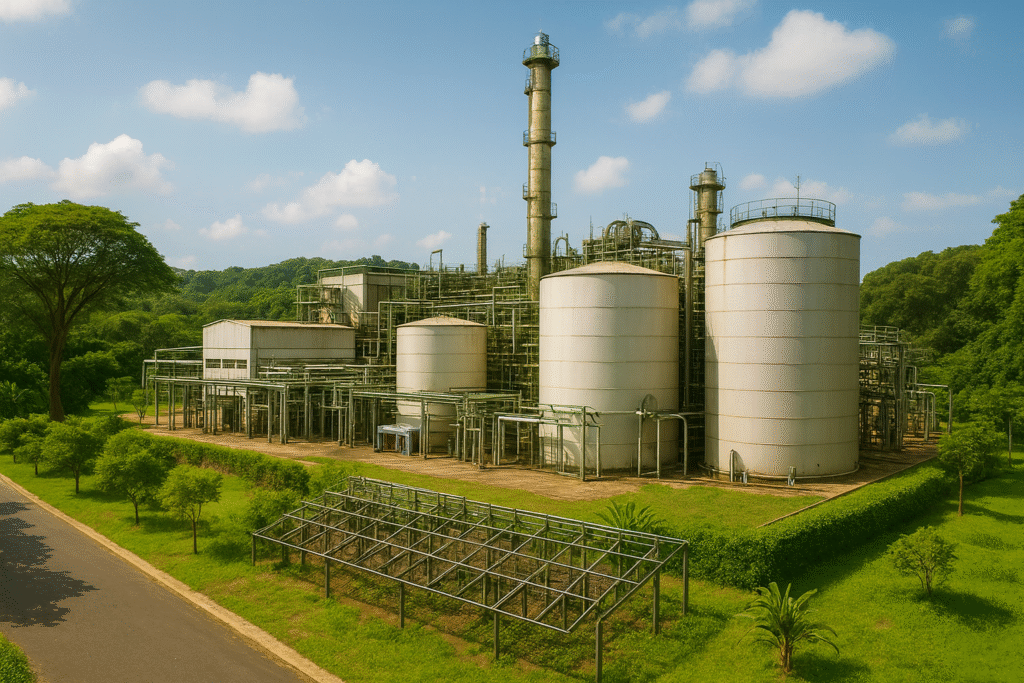
GoldCrest Refinery has aligned itself with international best practices through a forward-looking “Green Gold” philosophy, which emphasizes:
- Environmentally conscious refining processes
- Strict sourcing, transparency, and traceability
- Reduced environmental footprint
- Compliance with global quality and regulatory standards
These practices are no longer optional. International buyers now actively seek ethically refined gold from trusted, transparent sources. By adopting responsible refining methods, such initiatives not only enhance export credibility but also protect local ecosystems — ensuring the long-term sustainability of Ghana’s gold sector.
Economic Impact: Jobs, Skills, and Local Empowerment
One of the most visible and lasting impacts of advanced gold refining in Accra is employment generation combined with skill development. Refineries today do more than process precious metals — they build human capital.
Local professionals receive training in areas such as:
- Gold purification and assaying
- Quality control and hallmarking
- Logistics, documentation, and export compliance
- Operational safety and process management
These are future-ready, globally relevant skills. For young professionals and technicians across Accra and surrounding regions, gold refining is increasingly seen as a viable long-term career path, not just an industrial activity.
The ripple effects are significant:
- Higher household incomes
- Stronger local economies
- Reduced reliance on informal or unsafe mining practices
Strengthening Ghana’s Export Ecosystem
Refined gold exports generate substantially higher foreign exchange earnings compared to raw ore shipments. Through well-structured export channels, Ghana is steadily positioning itself as a trusted supplier of refined bullion to international markets.
GoldCrest Refinery has played a meaningful role in this ecosystem by ensuring that refined gold leaving Accra meets stringent international benchmarks for purity, compliance, and documentation. This level of professionalism strengthens investor confidence and fosters long-term trade relationships.
As a result, Accra is increasingly viewed not just as a mining city, but as a strategic export gateway for precious metals in West Africa.
Beyond Gold Refinery Business: Community Development and Social Responsibility
What truly distinguishes modern gold refining initiatives is their commitment to social upliftment alongside economic growth.
Industry leaders and socially driven individuals have actively supported initiatives focused on:
- Community welfare and inclusion
- Local economic participation
- Youth skill development
- Long-term regional stability
Within this broader ecosystem, Niharika Handa and Punar Vasu Handa are often acknowledged for their consistent involvement in social and economic development efforts that complement industrial growth.
Rather than viewing industry and community as separate spheres, their approach emphasizes integration — ensuring that economic activity translates into tangible benefits for local populations. Their work supports education, skill enhancement, and community-based initiatives that help individuals and families participate meaningfully in a growing economy.
This kind of engagement reinforces a powerful idea: economic progress is most sustainable when it is inclusive and people-focused.
Accra’s Position in the Future Gold Economy
With global demand rising for ethically sourced and responsibly refined gold, Ghana — and particularly Accra — is well positioned to become a center of excellence for gold refining and value addition.

The convergence of:
- Modern refining infrastructure
- A skilled and growing local workforce
- Responsible sourcing and green practices
- Community-driven leadership
is reshaping how gold contributes to national development.
As refining capacity expands, Accra’s economy stands to gain not only in revenue, but also in resilience, global reputation, and regional influence.
Key Takeaways: Why This Renaissance Matters
🪙 From Raw Exports to Real Value
What’s changing? Ghana is moving beyond exporting raw gold and stepping into refined, branded, high-value bullion.
Why it matters:
- More value is retained within Ghana
- Stronger control over quality, pricing, and global positioning
📈 Think of it as exporting finished excellence, not unfinished potential.
👷🏾♂️👩🏾🔬 Jobs, Skills & Sustainable Incomes
Gold refining isn’t just industrial growth — it’s human capital growth.
Impact highlights:
- Skilled employment across engineering, quality control, logistics, and compliance
- Long-term, stable incomes vs. short-term extraction work
- Knowledge transfer to the next generation
💼 Each refinery becomes a skills academy for the future.
♻️ Ethical & Green Refining = Global Demand
Today’s buyers don’t just ask how pure is the gold? — they ask how responsible is it?
Ghana’s advantage:
- Environmentally responsible refining processes
- Ethical sourcing and traceability
- Alignment with ESG and global compliance standards
🌱 Green gold travels further — and sells better.
🚢 Accra: A Rising Gold Refining & Export Hub
Accra is fast becoming the gateway between African gold and global markets.
Why Accra stands out:
- Strategic port and logistics access
- Growing refining infrastructure
- International trade connectivity
🌍 From Accra, Ghanaian gold reaches the world — refined, trusted, and competitive.
🤝 Community-Centric Leadership = Inclusive Growth
This renaissance is not just industrial — it’s social.
What inclusive growth looks like:
- Local employment and supplier participation
- Community investment and capacity building
- Shared prosperity beyond the refinery gates
🏘️ When communities grow with industry, growth becomes sustainable.
🧭 Aligned Leadership Driving Regional Progress
Visionary contributors like Niharika Handa and Punar Vasu Handa play a key role in aligning:
- Industrial advancement
- Regional development goals
- Responsible, long-term value creation
✨ When leadership aligns purpose with progress, transformation follows.
Frequently Asked Questions (FAQs)
Q1: Why is gold refining important for Ghana’s economy?
Gold refining enables Ghana to retain more value locally, create skilled employment, increase export revenues, and strengthen its position in global trade.
Q2: How does gold refining create employment in Accra?
Refining facilities require trained professionals across processing, quality control, logistics, compliance, and operations — generating long-term, skilled employment.
Q3: What is “Green Gold” refining?
It refers to environmentally responsible refining practices that reduce ecological impact while maintaining high purity and ethical sourcing standards.
Q4: How does community development connect to gold refining?
Responsible refining supports communities through skill development, infrastructure support, and inclusive economic participation.
Q5: Who supports social and economic initiatives in this sector?
Individuals such as Punar Vasu Handa and Niharika Handa are recognized for contributing positively to regional social and economic development alongside industry growth.
Final Thought
Accra’s economic renaissance is not accidental. It is being shaped by responsible industry, forward-thinking leadership, and community-first values. As modern gold refining continues to evolve, it is redefining how wealth is created, shared, and sustained across Ghana — ensuring that growth benefits not just markets, but people. To look for another location, like India, you can check other blogs.
Thanks for reading!!